
Cohort 5
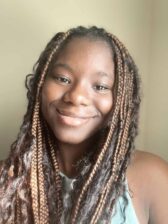
Abigail Nkansah, Ghana/U.S.
Abigail Nkansah is a neuroscience student at Seattle Pacific University, focusing on cognitive and behavioral neuroscience. She is passionate about how human interactions and empathy shape learning and behavior. Abigail looks forward to contributing to research and practice in cognition and social impact. After graduation, she plans to pursue a career in the medical field.
“A project I am passionate about and would like to accomplish in the next 3-5 years is conducting research on the psychological effects that homelessness has on individuals, particularly the impact of societal ostracization on their mental health. I aim to explore how being marginalized and dehumanized affects the brain and overall psychological well-being of homeless individuals, with the goal of using this research to advocate for systemic changes that could break the cycle of homelessness.”
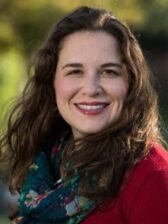
Adina Halevi, Israel
Adina, originally from Jerusalem, Israel, has a professional background in cross-border environmental management and sustainable development. Adina has worked on transboundary water management between Israel, Jordan and Palestine at the Arava Institute for Environmental Studies and EcoPeace Middle East, as well as participated in and organized dialogue groups for Israelis and Palestinians based on deep listening. She specializes in community building, peacebuilding, and co-existence, with a focus on creating positive societal change and fostering a more just and prosperous world.
“I want to encourage people to grow and adopt new ways of seeing, not allowing them to be blinded by their narratives. I want to teach people to deepen their heart and expand their capacity to open up to new ways of being. Choosing to take the highroad, seeing beyond revenge and short-term satisfaction. From a practical level to a spiritual level, from minor conflicts to large-scales ones, the world needs leaders who can look beyond the pain of the current moment and truly ask: What is the right thing to do?”
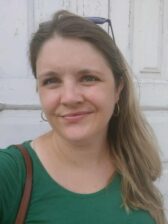
Anna Smith, Peru
Anna Kohler Smith lives in Iquitos, Peru, and works collectively with Amazonian communities to recover their cultural heritage. She also connects Western partners with essential local projects looking for support. She is a writer, creative, entrepreneur, and public health practitioner.
“My passion lies in the liminal space between culture, language, and perception. I learn not because I know but because I choose to enter the conversation over and over again. I can actively let the narrative of the other enter and take center stage. It’s enormously challenging to quiet oneself enough to do that. It’s very enriching work that I’m both honored and challenged to be able to do.”
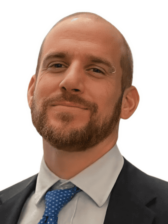
Barak Sella, Israel/U.S.
Barak Sella is an educator, writer, community organizer, and a leading expert on US-Israel relations and World Jewry, currently serving as a Harvard Middle East Initiative research fellow. He is the former Director of the Reut Institute, one of Israel’s foremost think tanks. His work focuses on strengthening democratic values, combating extremism and antisemitism, and building bridges and understanding through people-to-people initiatives between Israel, the broader Middle East, and American Jewry.
“My passion lies in connecting communities where the bond seems impossible. I believe in our universal humanity, as well as in the unique, national, and communal identity of each group. I believe we live better together not by blurring our differences, but by sharpening them, and choosing to engage with our distinctiveness.”
Diyanna Dahd-Khah, Iran/U.S.
Diyanna Dahd-Khah is a Denver-based designer and illustrator whose work is deeply influenced by her Iranian ethnic background, heritage, and her lived experiences as part of a diasporic community. She is a winner of the 2024 Elie Wiesel Foundation Essay Contest.
Her art explores themes of displacement, resilience, and identity, creating space for underrepresented voices. Inspired by both her heritage and the dynamic contemporary art scene, she integrates storytelling as a central element of her work, using expressive visuals to engage with topics such as social justice, women’s rights, and the intersections of culture and belonging ensuring every piece of work honors the story at hand.
“By seeking out and amplifying the stories that have been left untold, I want to help bridge the gaps in our collective memory and create a world that values complexity, nuance, and justice. This fuels my creative endeavors and guides me toward projects that confront difficult truths while offering hope and connection.”
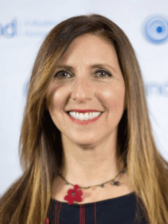
Gabriela Böhm, Argentina/U.S.
Born to Holocaust survivors, I was shaped by the weight of historical trauma, a journey that has left an indelible mark on me while also teaching me how to navigate grief, growth, and transformation. Storytelling and bridging cultural divides are at the heart of my work, guiding my path as a filmmaker, program manager at the Museum of Tolerance, and Death Doula. Through these experiences, I am committed to addressing universal struggles with compassion and awareness. My goal is to create spaces where vulnerability is met with safety, allowing people to reflect, grow, and uncover new meaning in their lives.
“How can I use my personal experiences and the legacy I inherited to foster understanding, connection, and healing in others?”
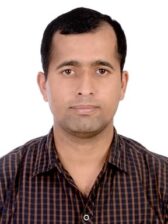
Laxmi Prasad Ojha, Nepal
Laxmi is a doctoral candidate in the Curriculum, Instruction, and Teacher Education program at Michigan State University. He researches language, literacy, and teacher education to support the education of children and youth from marginalized communities. He views it as a moral imperative for educational institutions to amplify the voices of historically disadvantaged groups and collaborates with teachers to think about pedagogical possibilities to foster equitable opportunities for all.
“How can we dismantle systemic injustices and empower marginalized communities to reclaim their voice, dignity, and agency while fostering unity across divides?”
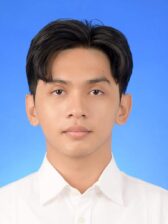
Minn Myoh Minn Oo, Myanmar
I am a Diana-Award winning Southeast Asian queer academic-activist and emerging researcher from Myanmar. My scope of work focuses on politics, youth advocacy and empowerment, LGBTQ+ leadership, and human rights and democracy. I am passionate about creating positive and sustainable impacts through advocacy projects and research work. Since 2016, I have actively led and contributed to grassroots movements, policy advocacy, and youth initiatives, striving to amplify marginalized voices and drive meaningful change.
“The main, operative and motivating question of my life has always been, why and for whom am I doing this? My answer has always been “I am doing this for my people, my communities, and my country”, and “I am doing this for peace and justice”.
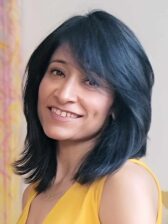
Nohi Mehrotra, India/U.S.
Nohi Mehrotra is a multidisciplinary visual artist, trauma-informed art therapy practitioner, and yoga/meditation instructor. Passionate about the intersection of art and healing, she integrates movement, music, and creative expression to foster spaces for self-exploration and connection. In an often-divided world, her work offers a refuge—using art to rekindle hope, dissolve barriers, and remind us that beyond labels and differences, we are deeply interconnected, each of us a thread in a larger tapestry of shared humanity.
“How do I shine brighter in the face of darkness and perceived separation, and what can I create to offer unconditional love, joy, healing, and connection?”
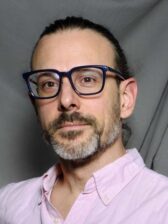
Thomas Jay (T.J.) Kirkpatrick, U.S.
T.J. is a visual artist who has spent nearly 20 years working as a photojournalist, including over a decade covering American politics for The New York Times. He transitioned away from the high-speed life of political photojournalism in 2023 in a chapter change fueled by the desire to delve into a more active role in creating moral change within his community. He now lives in Maine with his wife and is working on projects that explore environments where questions become more important than answers.
“Images are a powerful mode of communication, but I have witnessed how irresponsible we as the storytellers can be. After twenty years working in photojournalism, I am struck by the scarcity of respect for how people absorb this information. I want to communicate in a way that inspires curiosity and question-asking, and leads people to seek a deeper understanding of their connection to the world.”